Through a powerful community art project, contributor Sydney Galindo explores how BIPOC artists transformed the flag into an expression of culture, memory, and belonging.
Unseen Territories emerged from a question I could not stop thinking about: what would happen if we could design our own symbols of belonging?
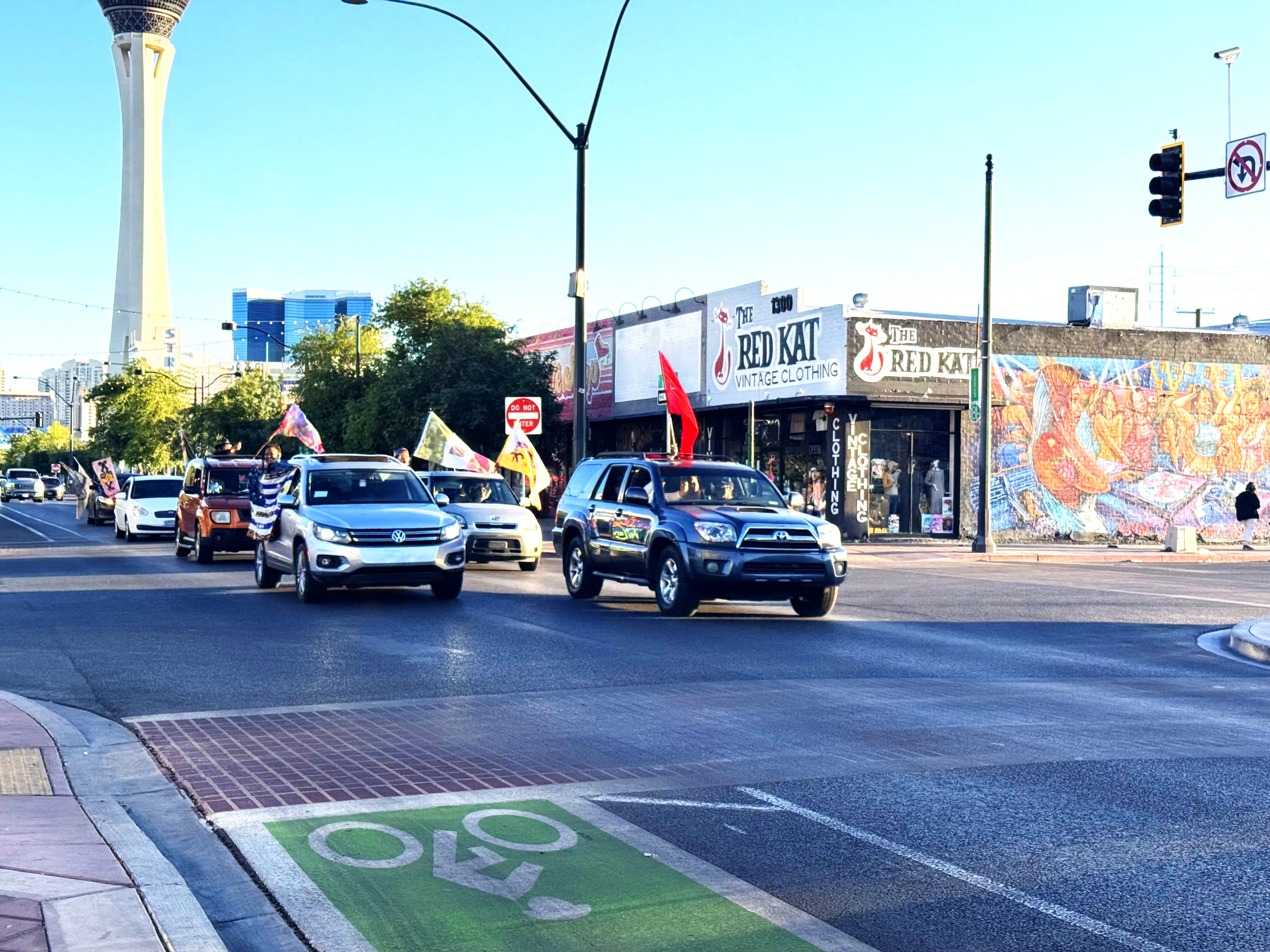
Photo by Mika Phegley
The inspiration for this project came in part from watching the protests in Los Angeles and the movement known as “A Day Without an Immigrant.” In the midst of fear, uncertainty, and political hostility, I was struck by the sight of people proudly carrying cultural flags through the streets. There was something deeply moving about witnessing communities assert their presence so visibly. Those flags became symbols of resilience, identity, and collective pride.
At the same time, I began thinking about the history of flags themselves. Many of the flags we recognize today were created to represent power, territory, conquest, and borders. They often define who belongs and who does not. As someone who comes from mixed racial and cultural backgrounds, I found myself wondering where people like me fit within those symbols. As a Filipina navigating the realities of assimilation and cultural disconnection, I often feel caught between worlds. Where are our stories represented? What would a flag look like if it reflected the complexity of our lived experiences rather than the boundaries imposed upon us?
Photos by Mika Phegley
These questions became the foundation of Unseen Territories. Working with fourteen BIPOC (Black, Indigenous, and People of Color) artists on Southern Paiute* land, I invited each participant to imagine and create a flag that reflected their own identity, history, and vision. What emerged was far more expansive than I could have anticipated. Each artist brought a unique perspective, yet together their works formed a powerful collective statement about visibility, memory, and belonging.
Beyond the artwork itself, I came to see the project as a living archive. Too often, the histories of Black, Indigenous, immigrant, and communities of color are documented by others, simplified, or omitted altogether. Through their own words, symbols, and creative practices, the artists in Unseen Territories are preserving an authentic record of who they are and how they experience this moment in time. The film becomes a document of those histories, not as they are interpreted from the outside, but as they are claimed and articulated by the communities themselves.
The most rewarding part of the project was witnessing the artists bring their creations into public space. The caravan through the Las Vegas Arts District and downtown became one of the most energizing experiences I have ever been part of. There was an overwhelming sense of joy as the artists carried their flags through the city. Watching Brown, Black, Indigenous, and immigrant communities celebrate themselves so openly felt transformative. The excitement was contagious. People on the streets waved, cheered, and responded with genuine enthusiasm. For a moment, the city felt different, alive with stories and identities that are too often overlooked.
That experience reinforced what I hoped the film could capture: that resistance is not only found in protest, but also in joy. In visibility. In gathering together and refusing erasure. Ultimately, Unseen Territories is both an act of celebration and an act of preservation, a record of communities defining themselves on their own terms and imagining new possibilities for belonging.
Please join us for a screening of Unseen Territories at the Democracy Center (Japanese American National Museum) this Saturday, June 27, followed by a community flag-making workshop. We hope you’ll be part of this ongoing conversation about identity, visibility, and the power of creating our own symbols of representation.
*Las Vegas, Nevada
About the Author:
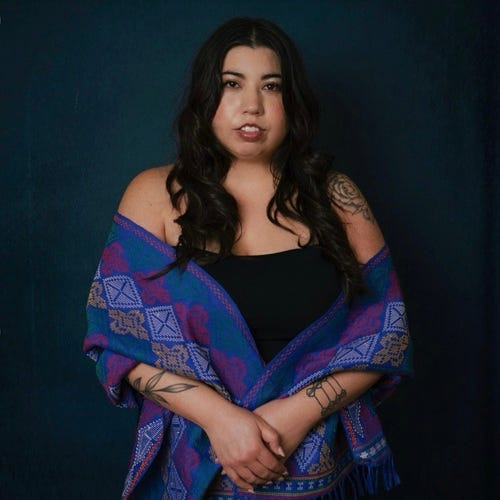
Sydney Galindo is a first-generation Filipina American of Visayan and Indigenous descent whose curatorial work engages decolonial praxis and artistic autonomy to examine how cultural narratives are formed within collective lived experience. Working across film, curation, and archival practice, she builds ethical, inclusive art ecosystems that foreground collaborative authorship and reimagine how contemporary art is produced, documented, and experienced.